A dirty filter won’t create mold by itself, but it can make the problem easier to start. When airflow drops, moisture lingers, and dust builds up inside the system, your HVAC equipment becomes a much friendlier place for mold to grow.
That is why the right 14x27x4 air filter matters more than most homeowners realize. It will not kill mold on its own, but it can help limit the conditions mold depends on by supporting airflow, trapping airborne particles, and keeping more debris out of the system.
TL;DR Quick Answers
14x27x4 air filters
A 14x27x4 air filter is a deep-pleated HVAC filter designed to capture dust, pollen, mold spores, and other airborne particles while maintaining steady airflow.
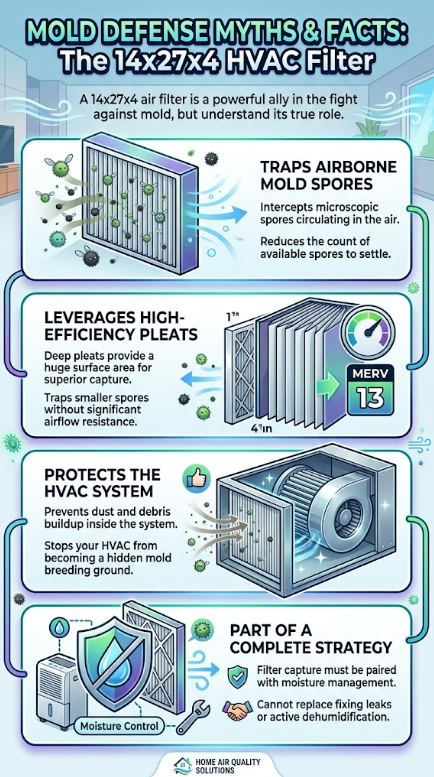
In our experience, the 4-inch thickness makes a noticeable difference—it gives the filter more surface area, so it lasts longer and helps your system breathe easier. For most homes, choosing a MERV 11 or MERV 13 option provides a strong balance between cleaner air and reliable HVAC performance.
Top Takeaways
Mold grows faster when moisture, dust, and restricted airflow come together
A quality 14x27x4 pleated air filter helps reduce the airborne debris that can collect inside your system
MERV 11 and MERV 13 filters are stronger choices when mold spores and allergens are part of the concern
Cheap or clogged filters can work against you by choking airflow and letting moisture hang around longer
The best results come from doing the basics well: install the filter correctly, replace it on time, and keep the system clean
How a 14x27x4 Air Filter Helps Prevent Mold
Most mold problems inside HVAC systems do not start with one dramatic event. They build over time. Dust settles. Humidity stays high. Air stops moving the way it should. Once that happens, mold spores have an easier place to land and spread.
A 14x27x4 air conditioner filter helps by catching dust, pollen, and other airborne particles before they pile up inside the system. It also helps your equipment maintain steadier airflow, which can reduce the damp, stagnant pockets where mold tends to show up. Cleaner airflow and a cleaner system go hand in hand.
Why MERV Rating Matters
Not every filter gives you the same level of protection. If mold prevention is part of the goal, the MERV rating deserves a closer look.
MERV 8 handles larger particles, but it offers more limited protection against smaller airborne contaminants
MERV 11 steps up filtration and does a better job with finer particles
MERV 13 gives homeowners stronger protection against mold spores, allergens, and other small particles that affect indoor air quality
For many homes, a 14x27x4 air filter MERV 13 gives you the best balance between stronger filtration and the airflow your system still needs to perform well.
Thickness = Better Performance
The extra depth in a 14x27x4 pleated air filter is not just a sizing detail. It gives the filter more surface area to trap particles without loading up as quickly as a thinner option.
That can mean longer service life, steadier airflow, and less strain on the HVAC system. And when airflow stays where it should, your system has a better shot at controlling the moisture that often feeds mold growth.
Installation and Maintenance
Even a strong filter cannot help much if it is installed the wrong way or left in place too long.
Make sure the airflow arrow points in the correct direction. Replace the filter every 3 to 6 months, and check it sooner if you live in a humid area, have pets, or deal with allergy issues. If you are learning how to install a 14x27x4 air filter, getting that one step right can improve performance right away.
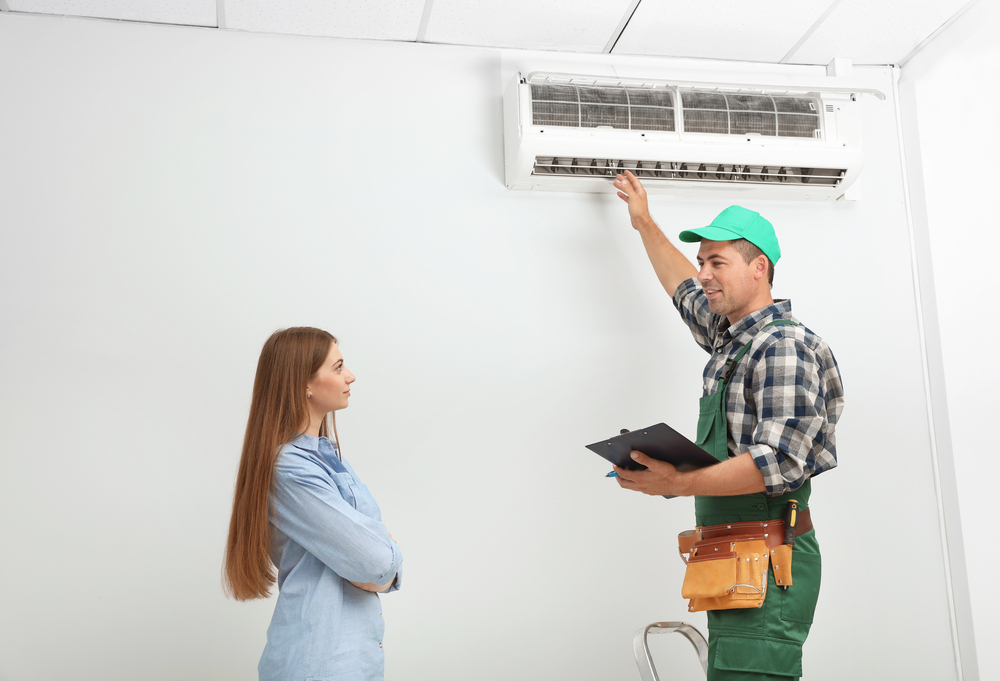
“In our experience, homeowners usually focus on what a filter catches and overlook what it helps the system do. Better airflow often means fewer damp spots, less buildup, and fewer opportunities for mold to take hold.”
7 Essential Resources
Air Filter Basics
URL: https://en.wikipedia.org/wiki/Air_filter
This is a solid starting point if you want to understand how air filters actually work. It breaks down filtration methods, materials, and how different designs capture particles. If you’ve ever wondered what your filter is really doing behind the scenes, this gives you the foundation.
EPA Indoor Air Quality Overview
URL: https://www.epa.gov/indoor-air-quality-iaq
The EPA’s overview explains what’s circulating inside your home air and why it matters. It connects everyday pollutants—dust, pet dander, mold spores—to real health and comfort concerns, which helps put the role of your HVAC filter into perspective.
EPA Guide to Indoor Air Quality
URL: https://www.epa.gov/indoor-air-quality-iaq/inside-story-guide-indoor-air-quality
This guide goes deeper into how indoor air problems develop and what you can do about them. From what we’ve seen, homeowners who take a few minutes to understand this guide tend to make better decisions about filtration, airflow, and moisture control.
ASHRAE Standards and Guidelines
URL: https://www.ashrae.org/technical-resources/standards-and-guidelines
ASHRAE sets the benchmark for HVAC performance and filtration standards. If you’re comparing MERV ratings or trying to understand what your system can handle, this is where those recommendations come from.
FilterBuy Air Filter Basics
URL: https://filterbuy.com/resources/air-filter-basics/
This resource breaks down filter types, sizing, and MERV ratings in a way that’s easier to apply to your own home. It’s built around real homeowner questions, so you can quickly connect the technical details to what actually improves your air.
EPA Mold and Moisture Control
Mold always comes back to moisture. This page explains where that moisture comes from and how to control it. It’s especially helpful if you’re trying to understand how filtration fits into a bigger mold prevention plan.
CDC Mold Information
The CDC focuses on how mold affects health and what to watch for inside your home. If you’re dealing with allergies, respiratory issues, or musty odors, this resource helps you recognize the signs and understand why air quality matters.
3 Supporting Statistics
1. Indoor air can be 2 to 5 times more polluted than outdoor air
Source: EPA
URL: https://www.epa.gov/indoor-air-quality-iaq/inside-story-guide-indoor-air-quality
Most people assume outdoor air is the bigger concern, but this flips that assumption. In our experience, once homeowners realize how much builds up indoors—especially in closed, air-conditioned spaces—they start paying closer attention to filtration and airflow.
2. Americans spend about 90% of their time indoors
Source: EPA
URL: https://www.epa.gov/report-environment/indoor-air-quality
This number puts everything into perspective. If the majority of your time is spent inside, then the quality of that air matters more than most people think. Small improvements, like upgrading to a better 14x27x4 air filter, can have a more consistent impact than you might expect.
3. High-efficiency filters, including MERV 11 to MERV 13, are commonly used to capture smaller airborne particles such as mold spores
Source: ASHRAE
URL: https://www.ashrae.org/technical-resources/standards-and-guidelines
This is where filter choice starts to matter. Lower-rated filters catch larger debris, but finer particles—including those linked to mold and allergens—require stronger filtration. That’s why we often recommend stepping up to MERV 11 or 13 when air quality is a concern.
Final Thoughts and Opinion
If your goal is to lower mold risk, your air filter deserves more attention than it usually gets. A 14x27x4 air filter will not solve a moisture problem by itself, but it can make your HVAC system a much less inviting place for mold to grow.
We have seen the same pattern again and again. Homeowners who use better filters and replace them on schedule often deal with fewer musty odors, steadier airflow, and fewer air quality complaints overall. That does not happen because a filter works magic. It happens because the system stays cleaner, moves air more effectively, and has less chance to let moisture sit where it should not.
Frequently Asked Questions
Q: Can a 14x27x4 air filter remove mold spores?
A: Yes. Filters in the MERV 11 to MERV 13 range can capture smaller airborne particles, including many mold spores, while helping improve indoor air quality overall.
Q: Is a HEPA 14x27x4 air filter better for mold?
A: Not always. HEPA filtration is stronger on paper, but many residential HVAC systems are not built to handle it. In most homes, a high-quality pleated filter with the right MERV rating is the more practical choice.
Q: Do air filters reduce humidity?
A: Not directly. What they do is help support proper airflow, and that gives your HVAC system a better chance to manage indoor humidity the way it should.
Q: What’s the best 14x27x4 air filter for allergies and mold?
A: A MERV 13 pleated filter is often the strongest all-around option for homeowners who want better protection against allergens and mold spores without giving up too much airflow.
Q: Are cheap filters less effective?
A: They can be. Lower-quality filters often trap fewer particles, and once they clog, they can drag down airflow in ways that make moisture problems harder to control.
Take Control of Mold Risk with the Right 14x27x4 Air Filter
A better 14x27x4 air filter won’t fix moisture problems alone, but it can help stop the conditions that let mold take hold in your system. Choose the right filter today and give your home cleaner airflow and a stronger defense against hidden air quality issues.Learn more about HVAC Care from one of our HVAC solutions branches…
Filterbuy HVAC Solutions - West Palm Beach FL
1655 Palm Beach Lakes Blvd., Ste 1005 West Palm Beach, FL 33401
(561) 448-3760